Why is AI visibility hard to measure?
Because there is no rank to read off. Our reading: an assistant can word an answer differently each time it is asked, different assistants say different things, and the answer depends on how the question is put. One good-looking answer proves little, and one bad one proves little too.
What should you measure instead?
- A fixed set of questions. Agree them in advance with the people who know your customers.
- The same platforms each time. Write down which ones.
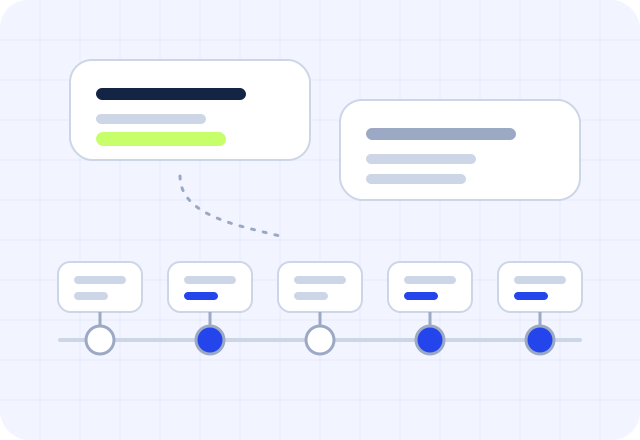
- Dated samples. Record the question, platform, date and the answer word for word.
- What the answer says about you. Named or not, described correctly or not, sources shown or not.
- Enquiries as well as clicks. Pew found people clicked less when an AI summary appeared. Fewer clicks do not necessarily mean fewer customers, so ask new customers how they found you.
Where can you see Google traffic?
Google says traffic from its AI features is included in the Search Console performance report under the Web search type. It is not separated out, so you will not see AI features on their own.
How do you avoid fooling yourself?
- Do not cherry-pick. Keep every sample, including the poor ones.
- Write down the method so someone else could repeat it.
- Say what you cannot show. A change in answers is not proof that your work caused it.
- Name an owner. One person is accountable for the reporting, as in the Government's six practices, which include testing and monitoring.
- Be wary of guarantees. See what the ACCC says about misleading claims.
How does Aura8 do it?
Our ongoing visibility management uses this approach: fixed questions agreed with you, dated samples, a three-layer report on technical health, AI mentions and enquiries, and a plain statement of what the evidence does not show.
What does this article not tell you?
- The Pew study is American, from March 2025, and measures clicking, not customers.
- Google's page is undated and covers Google only.
- Our points about answers varying are our reading, not a published finding.
Is your website ready for AI?
Our free check reads your site the way AI tools do, tests four AI crawlers live and scores nine dimensions out of 100.
Sources
- AI features and your website · Google Search Central, undated page. Read by us on 27 October 2026.
- Google users are less likely to click on links when an AI summary appears in the results · Pew Research Center, 22 July 2025. Read by us on 27 October 2026.
We keep what a source says separate from our reading of it. If a source is from another country or a different date, we say so. We are not giving advice, and nothing here is a promise of rankings, citations or sales.